
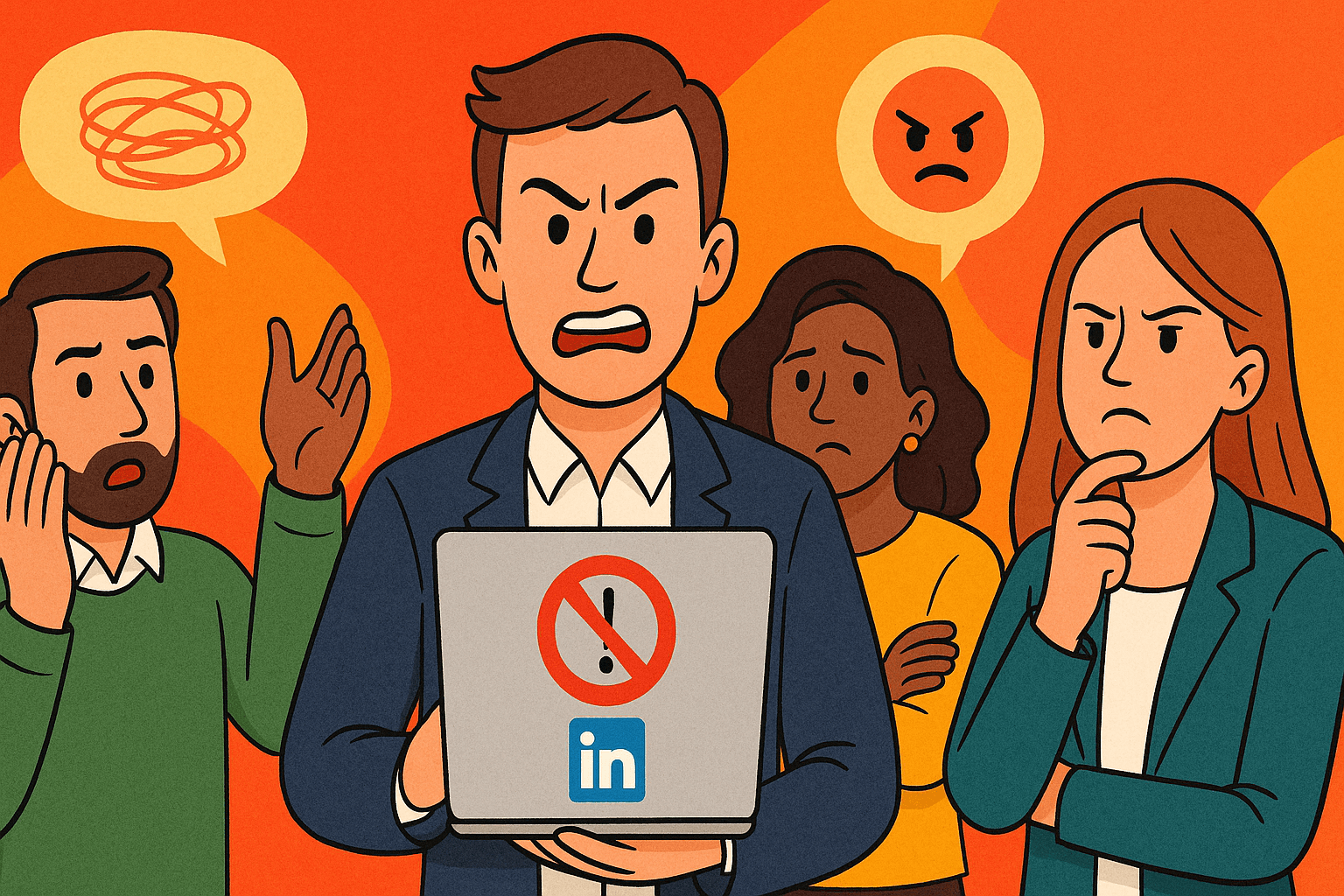
In a digital landscape where every post can go viral, marketing managers face the dilemma of how far they can go with controversies without tarnishing their brands professional reputation. According to data from We Are Social, there are over 4.8 billion active social media users globally, increasing the chances of a mass public reaction to online communication strategies.
Adventurous or not, many managers have turned to controversies as a strategy to grab attention. According to Nielsen, campaigns that spark discussion can increase reach by up to 1.5 times. However, theres a fine line between being bold and being reckless.
Iconic cases show that its possible to generate significant engagement without sacrificing corporate image. For example, when Nike associated its branding with activist Colin Kaepernick, the company not only maintained but also increased its revenue; according to Forbes, the company saw a 31% increase in online sales shortly after the campaigns launch.
However, the risk exists and should not be underestimated. Pepsis 2017 crisis, starring Kendall Jenner, is a classic example of backlash. The attempt to capitalize on social movements was widely criticized, generating negative repercussions that, according to the New York Times, led the company to quickly pull the ad and issue a public apology.
So, how can managers walk this fine line? Firstly, its crucial to assess the potential impact and strategic alignment of any potential controversial campaign with the companys core values. Furthermore, continuous monitoring is essential. Analytics and social listening tools are indispensable for measuring real-time reactions. According to Sprout Social, companies that monitor their social media are 21% more likely to promptly respond to potential crises.
Moreover, a crisis response plan should always be at hand. With clearly defined mitigation strategies, its easier to defuse negative reactions. Similarly, companies need to be willing to quickly adjust their approaches in response to public feedback.
Finally, authenticity should not be underestimated. As consumers become more critical, they can detect inconsistencies more quickly. Maintaining transparency facilitates building a trust-based relationship with the public, even when communication addresses controversial topics.
Carefully balancing boldness and responsibility is not easy, but its an imperative challenge that marketing managers need to face in a world increasingly governed by digital impressions. The results can be rewarding, but also potentially devastating if not weighed with precision.